Home › Model Sourcing
Cisco PVDM4 DSP modules — PVDM4-64 sourcing
A single-model sourcing page for the PVDM4-64 — the 64-channel DSP module from our voice range.
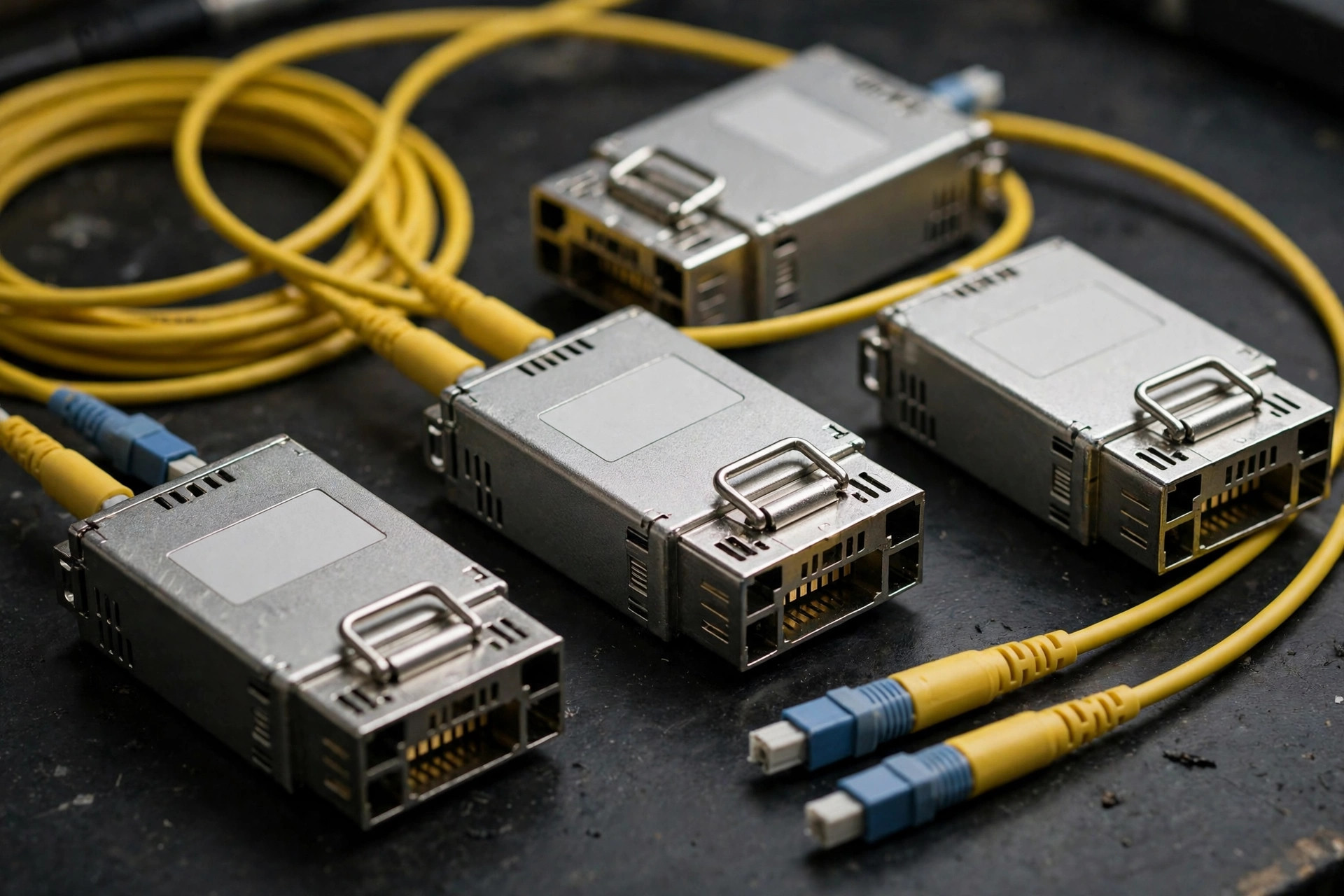
Voice DSP, quoted with its host router
PVDM4 modules are bought for a host: the router they slot into decides the variant and the channel count the design needs. Send the host router model with the module quantity, and the desk quotes the module line in context — including where a different PVDM4 density serves the same host better value.
Branch voice builds usually combine routers, modules and the site switching. One BOM covering the branch kit is the fastest pattern.
For a faster quote on this module
- Host router model the modules slot into
- PVDM4-64 quantity, or the channel count required
- Whether routers join the same order
- Delivery city
Channel arithmetic first
A PVDM4 order is arithmetic before it is hardware: concurrent voice channels per site, divided by the module's channel capacity, rounded up — with headroom the project sets. Send the channel counts per site and the desk works the arithmetic openly on the quotation, module by module, so the sizing can be checked rather than trusted.
The family's listed member here, the PVDM4-64, carries 64 channels; smaller and larger branch patterns combine module counts per host. Where a site's count sits between two clean configurations, the quotation prices the covering configuration and says so.
The host decides what fits
DSP modules live inside host routers, and the host model sets how many modules it can carry and of which generation. A module inquiry therefore always names the host: model as written on the installed units, per site where fleets differ. Module lines are checked against the named hosts before pricing.
Generation mixing is the trap to avoid: earlier DSP generations and PVDM4 modules are not interchangeable inhabitants of the same chassis plan. Where an estate runs mixed generations, the list is split by generation on the quotation so each host receives modules it can actually use.
Voice rollouts price as branch kits
Across a branch fleet, modules travel best as part of the branch kit: router, modules sized to that branch's channels, and the spares ratio the project sets. Priced as kits, identical branches stay identical, and the two or three exceptional branches — larger channel counts, different hosts — are broken out and priced on their own facts.
Growth is the last input. A branch designed for today's headcount but cabled for tomorrow's should carry modules for the design's stated horizon; say the horizon on the inquiry and the kit is sized to it.
Common questions
Is the PVDM4-64 a listed model here?
Yes — it has its own product page in our catalogue.
Can you quote other PVDM4 densities?
Name the host router and channel requirement; the matching density is priced on the quotation.
What does a PVDM4 inquiry need?
Host router models per site, concurrent channel counts per site, current module population if any, and the growth horizon the design assumes.
Can PVDM4 modules join a router order?
Yes — they are natural companions on the same quotation, checked against the very hosts on that order.
Can modules for different host generations share an order?
Yes — list them as separate line groups, one per host generation, with the host model named on each group. The desk checks each group against its own hosts before pricing, so a combined order never blurs which modules belong in which chassis, and the groups still consolidate into one shipment.